What Is a Phosphatase Enzyme? Definition, Function, and Industrial Uses
A technical buyer’s guide to phosphatase enzymes: what they do, how they remove phosphate groups, where they are used, and what to evaluate before sourcing.
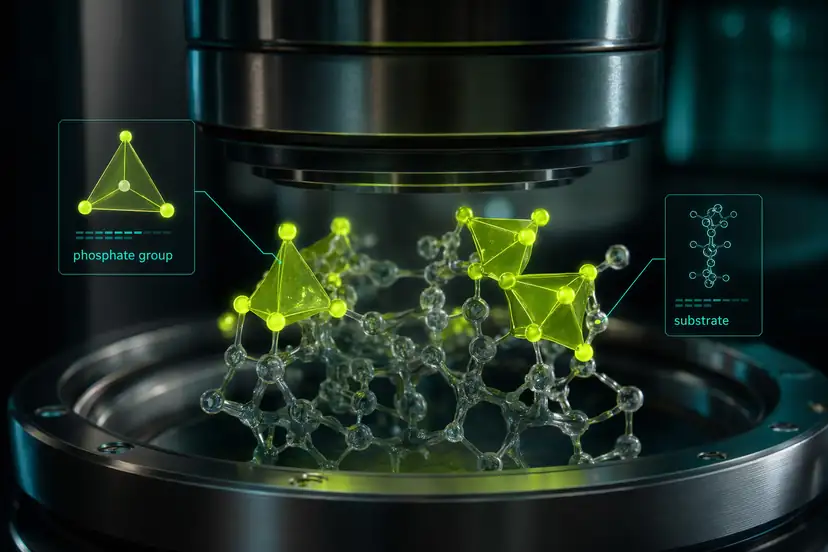
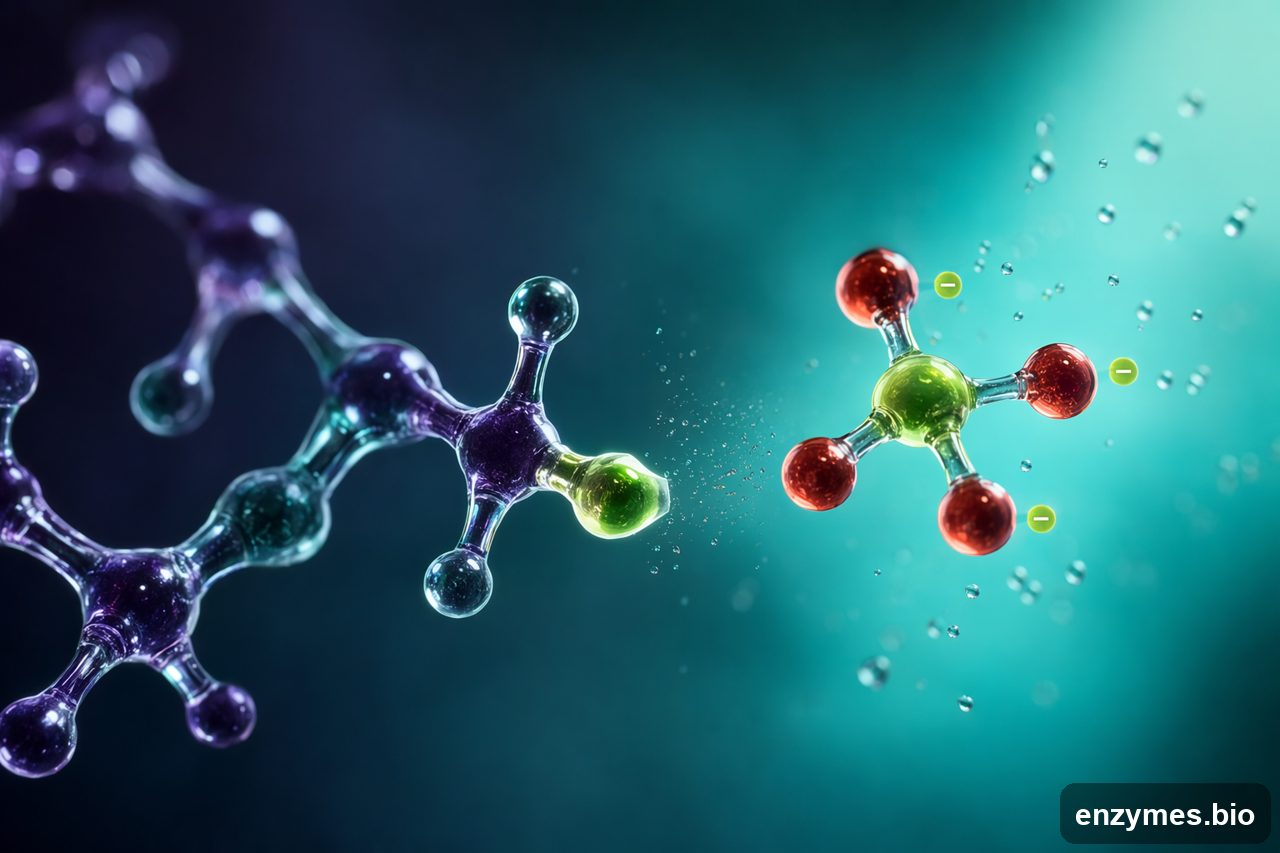
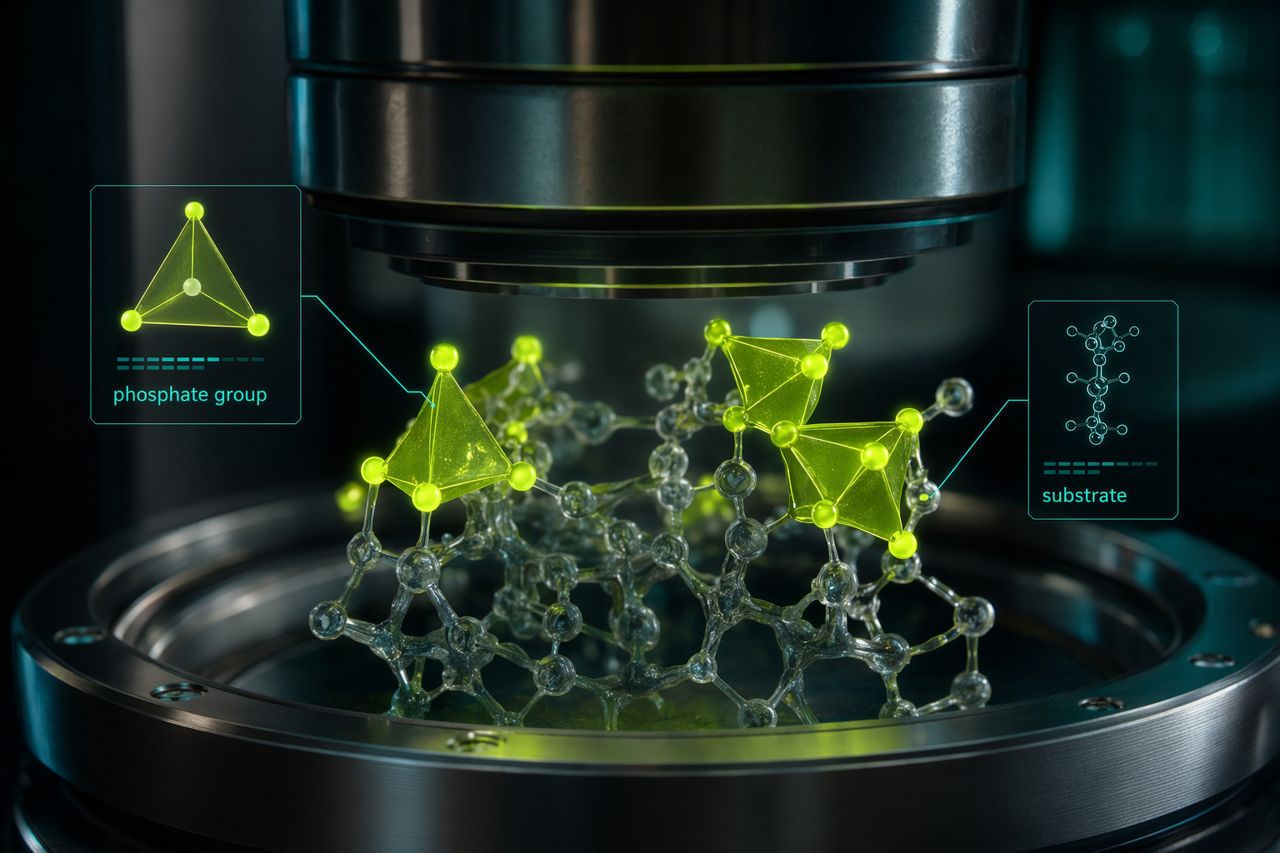
A phosphatase is an enzyme that removes phosphate groups from a molecule. In biochemical terms, it catalyzes dephosphorylation: the cleavage of a phosphate ester or anhydride bond, typically using water as the reaction partner.
For technical buyers, the practical definition is more direct: a phosphatase changes how a substrate behaves by taking phosphate off. That shift can affect charge, solubility, conformation, signaling state, binding behavior, or downstream reactivity.
Phosphatase enzymes are used across diagnostics, bioprocessing, molecular biology, food systems, analytical workflows, and industrial biotechnology. The right enzyme is not selected by name alone. It is selected by substrate class, process conditions, impurity profile, formulation format, and the tolerance of the downstream system.
The core function: controlled phosphate removal
Phosphate groups are chemically small, but operationally significant. They can alter a molecule’s electrical charge, hydrogen bonding, steric behavior, and recognition by other biomolecules. Removing them can switch a molecule from one functional state to another.
A phosphatase may act on:
phosphorylated proteins and peptides
nucleotides and nucleotide analogs
sugar phosphates
phospholipids
small-molecule phosphate esters
synthetic or process-specific phosphorylated substrates
The enzyme’s value is precision: it enables phosphate removal under comparatively mild conditions, often avoiding harsher chemical treatment that may damage sensitive substrates or complicate purification.
What phosphatases do in plain technical language
A phosphatase breaks the bond between a phosphate group and the rest of the molecule. The substrate loses phosphate; inorganic phosphate or a related phosphate species is released; the dephosphorylated product continues into the next analytical, diagnostic, biological, or manufacturing step.
That single conversion can support several industrial goals:
Signal generation in enzyme-linked detection systems
Dephosphorylation cleanup before ligation, labeling, or analysis
Pathway control in research and cell-biology workflows
Flavor, clarity, or stability adjustments in selected food and beverage applications
Process conditioning where phosphate state affects performance
Substrate preparation for downstream enzymatic or chemical steps
Major phosphatase categories buyers encounter
Alkaline phosphatase
Alkaline phosphatase is widely used in diagnostics, molecular biology, and analytical workflows. It is valued where phosphate removal or phosphate-dependent signal generation must occur under alkaline or near-alkaline conditions.
Common B2B contexts include assay labels, substrate conversion, nucleic acid workflow preparation, and dephosphorylation steps that require clean downstream compatibility.
Acid phosphatase
Acid phosphatases are selected for systems that operate in acidic environments. They can be relevant in food, fermentation, plant-derived matrices, and certain biological or analytical systems where the process pH is not compatible with alkaline phosphatase performance.
Protein phosphatases
Protein phosphatases remove phosphate groups from phosphorylated amino acid residues. They are central to signaling biology, cell-state regulation, and pathway analysis. In commercial contexts, they are typically evaluated for substrate preference, matrix tolerance, and reproducibility rather than as general dephosphorylation tools.
Substrate-specific phosphatases
Some phosphatases are chosen because they act selectively on a defined substrate family. These may be used in specialty manufacturing, process development, analytical chemistry, or biotech workflows where broad phosphatase activity would be too blunt.
Where phosphatase enzymes are used
Diagnostics and detection systems
Phosphatases are common in diagnostic assay architecture. They may function as labels, signal-generating enzymes, or components of workflows where phosphate removal changes detectability.
For diagnostics teams, the key questions are usually:
Does the enzyme perform consistently in the assay matrix?
Is the signal window compatible with the intended substrate and detection platform?
Are stabilizers, preservatives, and excipients compatible with the full kit formulation?
Does the enzyme meet the required impurity and documentation expectations?
Molecular biology and nucleic acid workflows
In molecular biology, phosphatases are often used to remove terminal phosphate groups from nucleic acids or nucleotide-related substrates. The goal may be to prevent unwanted ligation, prepare a molecule for labeling, or improve workflow specificity.
Selection depends on heat handling, removal strategy, buffer compatibility, and whether residual enzyme activity could interfere with downstream steps.
Food, beverage, and agricultural systems
In food and agricultural applications, phosphatase selection is tied to matrix complexity. Proteins, minerals, salts, polyphenols, fats, and endogenous enzymes can all influence performance.
Food technologists generally evaluate phosphatases by process fit: pH range, thermal exposure, regulatory positioning, organoleptic neutrality, and whether the enzyme creates measurable value without adding purification burden.
Industrial biotechnology and process development
In industrial biotechnology, phosphatases may be used to condition intermediates, support pathway studies, remove phosphate from process streams, or prepare substrates for sequential enzymatic conversion.
Process engineers typically need to know whether the enzyme can tolerate the real process environment: solids, shear, salts, solvents, preservatives, metals, carryover reagents, and cleaning constraints.
Analytical and QC workflows
Phosphatases can support sample preparation, standard generation, method development, and reaction-state confirmation. In these settings, consistency and interference control are more important than broad activity claims.
What to evaluate before sourcing a phosphatase
A useful sourcing brief should move beyond the enzyme name. Include the conditions that determine whether the enzyme will work in the real system.
Key evaluation points:
Substrate identity — protein, nucleotide, sugar phosphate, small molecule, or mixed matrix.
Required conversion — complete dephosphorylation, partial treatment, signal generation, or controlled endpoint.
Process pH and temperature exposure — including hold times and transitions.
Impurity constraints — unwanted side activities, nucleases, proteases, host-cell residues, or matrix-specific contaminants.
Common buyer mistake: treating all phosphatases as interchangeable
Phosphatases share a reaction theme, not identical behavior. Two enzymes may both remove phosphate, yet differ sharply in substrate scope, stability, side activity, inhibitor sensitivity, and downstream compatibility.
For example, a phosphatase suitable for an analytical substrate may be poorly matched to a food matrix. A diagnostic label may require different stabilization logic than a process enzyme. A nucleic acid workflow may tolerate one buffer system but fail when residual activity carries into the next step.
The practical question is not simply, “Is this a phosphatase?”
The better question is: “Which phosphatase profile matches this substrate, matrix, and downstream risk?”
Phosphatase selection checklist
Use this checklist when preparing an internal specification or supplier discussion:
Target substrate and phosphate position, if known
Desired level of dephosphorylation or signal output
Working pH window and thermal exposure
Batch, continuous, analytical, or kit-based use
Matrix components that may inhibit or destabilize the enzyme
Required enzyme format and packaging scale
Acceptable preservatives or stabilizers
Downstream processes that must not be affected
Documentation, traceability, and quality-system expectations
Commercial volume, forecast range, and sampling needs
Summary
A phosphatase enzyme removes phosphate groups from molecules. That definition is simple; the sourcing decision is not. Performance depends on substrate chemistry, matrix conditions, stability requirements, impurity limits, and the downstream consequences of residual activity or incomplete conversion.
For technical buyers, the strongest starting point is a clear use case. Once the substrate, matrix, and process constraints are defined, phosphatase selection becomes a controlled engineering decision rather than a generic enzyme search.
Request a quote or get pricing
If you are evaluating phosphatase enzymes for diagnostics, food systems, industrial biotechnology, process development, or analytical workflows, send the technical context and target format. Phosveil will review the brief and respond with next-step sourcing guidance.