
learn
Phosphatase in Molecular Biology Workflows
Technical guide to phosphatase enzyme selection, formulation, and sourcing for nucleic acid handling, cloning, cleanup, and reagent manufacturing workflows.
Request pricing Technical guide to phosphatase enzyme selection, formulation, and sourcing for nucleic acid handling, cloning, cleanup, and reagent manufacturing workflows.
Request pricingPhosphatase enzymes are used in molecular biology to remove phosphate groups from nucleic acids, nucleotides, proteins, and reaction intermediates. In practical reagent and workflow design, that simple chemistry has several high-value outcomes: cleaner cloning, better control of ligation behavior, reduced carryover interference, and more predictable downstream analysis.
For biotech buyers, diagnostics developers, and reagent manufacturers, the main question is not whether phosphatase can remove phosphate groups. The question is which phosphatase format gives the right balance of specificity, stability, inactivation behavior, contamination profile, and process compatibility.

Phosveil supports B2B teams evaluating phosphatase enzymes for nucleic acid handling and molecular biology reagent systems, including bulk supply, custom packaging, and formulation-aligned specifications.
Phosphatase is commonly specified when phosphate removal changes how nucleic acids behave in an enzymatic system. Typical molecular biology use cases include:
In each case, phosphatase selection affects more than conversion. It can influence background signal, workflow timing, thermal profile, reagent shelf life, and compatibility with the next enzyme in the sequence.
Alkaline phosphatases are widely used for DNA and RNA end dephosphorylation, nucleotide cleanup, and broad phosphate removal. They are valued for robust performance across many molecular biology contexts, but they require careful evaluation when residual activity could interfere with a later phosphorylation, ligation, or labeling step.
Key procurement questions include:
Thermolabile phosphatase formats are useful where workflow simplicity matters. They are selected when teams want phosphate removal followed by thermal shutdown, reducing the need for additional purification or physical separation steps.
This can be valuable in:
The important evaluation point is whether the thermal inactivation window fits the rest of the workflow without damaging the nucleic acid target or compromising other reagents.
In manufacturing environments, phosphatase may be immobilized or otherwise process-contained to simplify removal, reduce carryover, or support repeated processing. This is less common in benchtop molecular biology kits, but relevant in industrial reagent preparation, nucleotide processing, and controlled bioprocess steps.
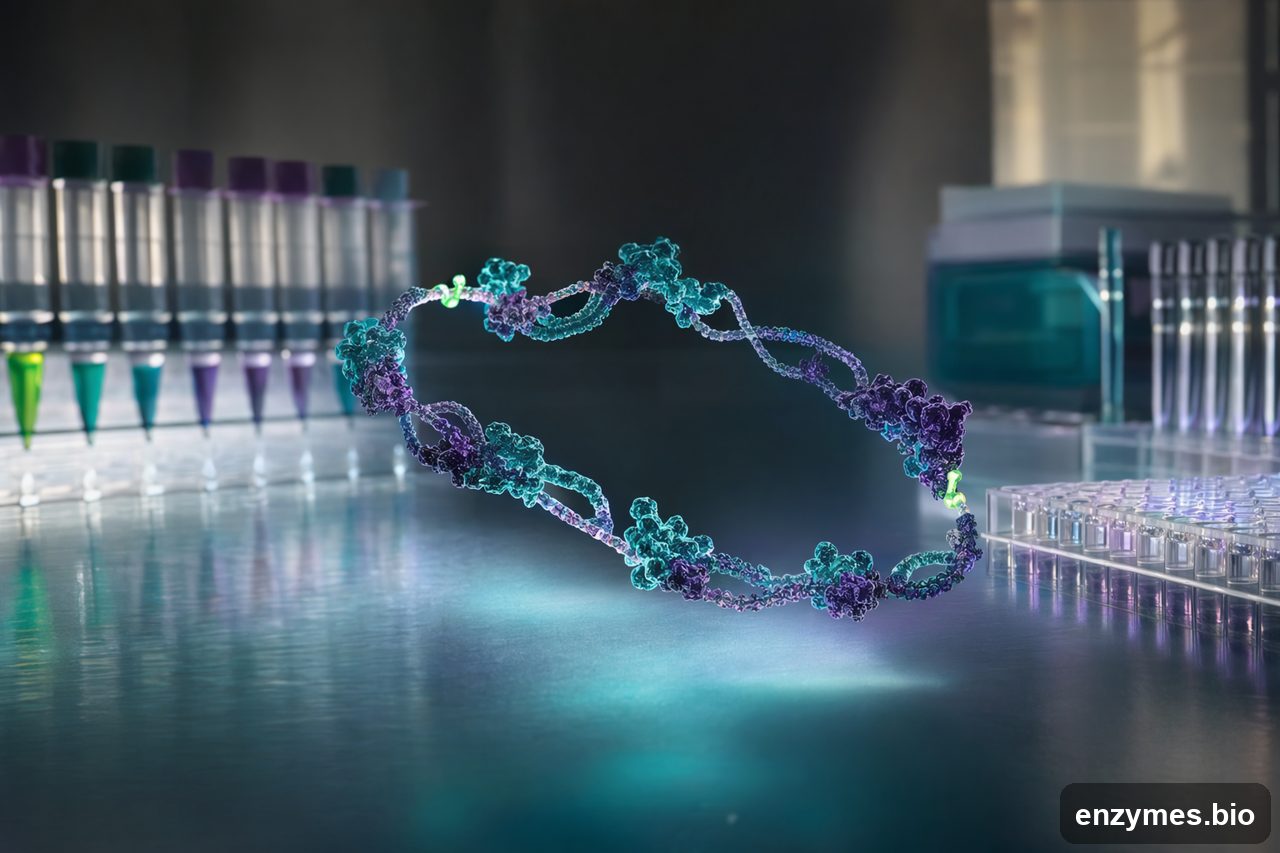
When immobilized formats are considered, buyers should evaluate binding chemistry, leachables, process hold times, cleaning compatibility, and performance consistency across batches.
Not all phosphatases perform identically across DNA ends, RNA ends, free nucleotides, phosphorylated oligonucleotides, or complex reaction mixtures. Selection should begin with the intended substrate and the acceptable level of residual phosphate after treatment.
For example, vector preparation may prioritize clean 5-prime dephosphorylation with minimal DNA damage, while nucleotide cleanup may prioritize compatibility with amplification buffers and rapid downstream transition.
Phosphatase often sits between other enzymes. A workflow may involve restriction enzymes, polymerases, kinases, ligases, reverse transcriptases, or detection enzymes. Residual phosphatase activity or formulation components can change the outcome of the next step.
Important compatibility factors include:
A technically suitable enzyme on paper can still fail if it disrupts the adjacent chemistry.
Phosphatase can be helpful during one workflow stage and harmful in the next. This makes inactivation behavior a major buying criterion.
Common strategies include:
For commercial reagent systems, the preferred approach is the one that reduces user steps while maintaining reliable downstream performance.
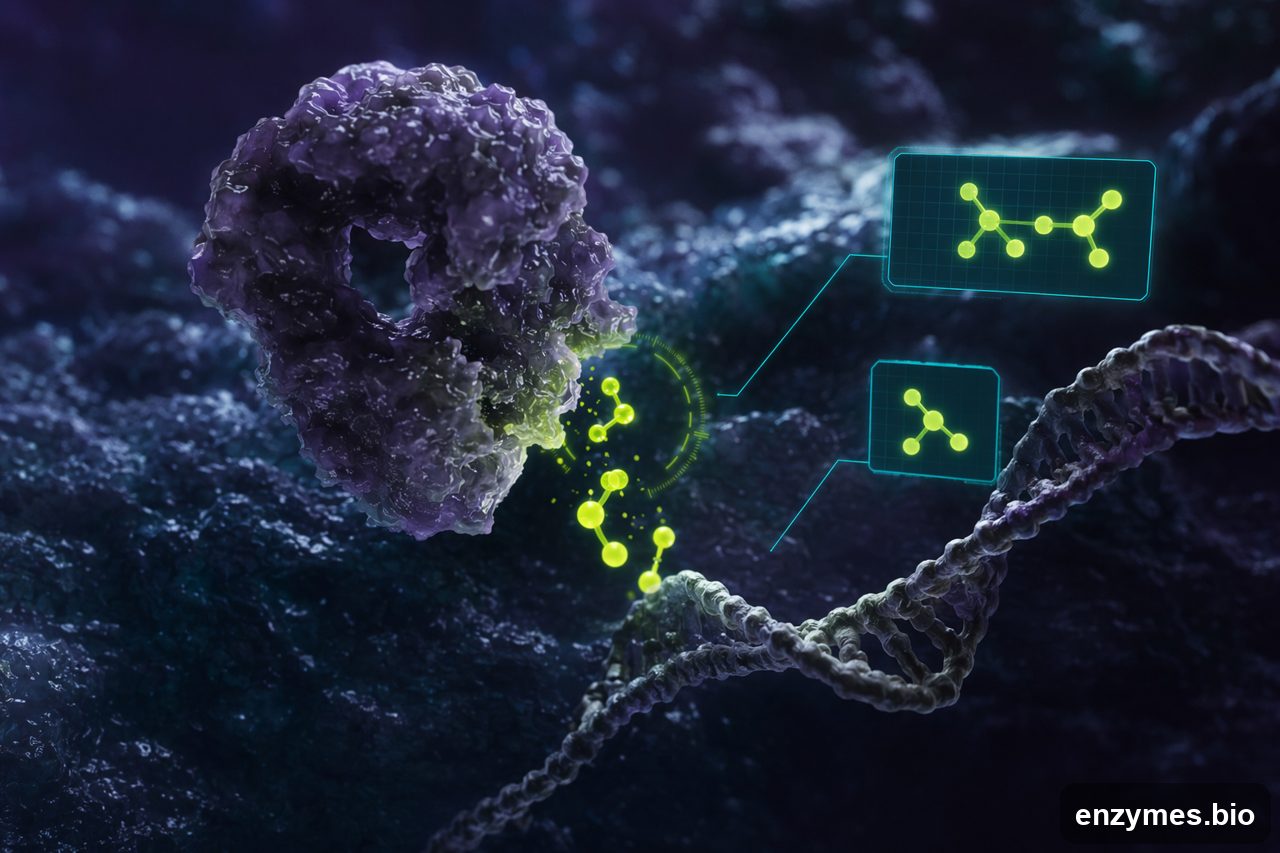
Molecular biology phosphatase must be evaluated for contamination risk, especially DNase and RNase concerns. Even trace contamination can create false negatives, degraded templates, poor library quality, or unstable diagnostic performance.
For B2B supply, documentation should address:
The goal is not only enzyme performance, but reproducible behavior in regulated or quality-managed workflows.
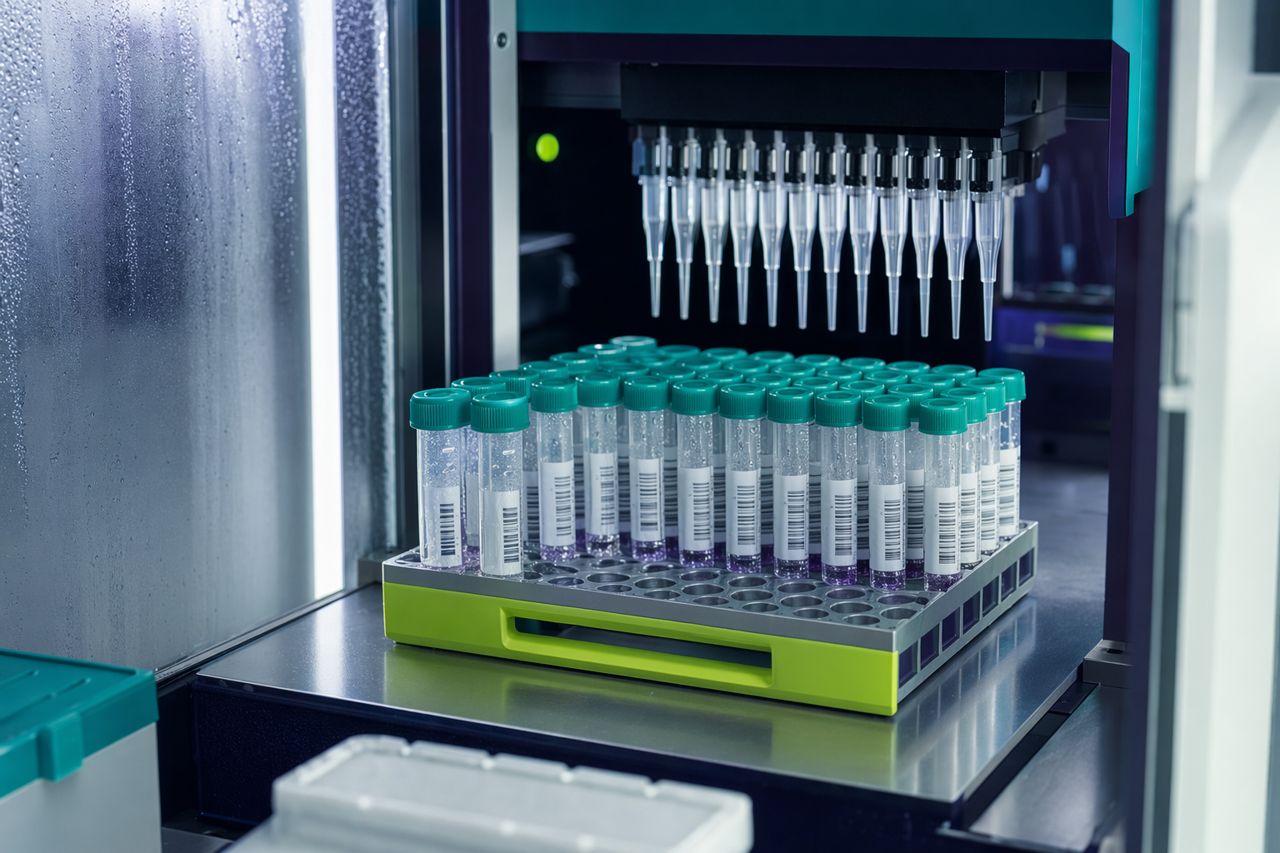
Reagent manufacturers often need phosphatase supplied in a format that fits their production line, not just their bench testing protocol. Practical options may include:
Early discussion of fill volume, container type, freeze-thaw exposure, and storage profile can prevent scale-up issues later.
In cloning workflows, phosphatase is often used to remove terminal phosphate groups from linearized vectors. This reduces vector self-ligation and can improve the proportion of desired insert-containing constructs.
For procurement teams, the key points are DNA integrity, residual activity control, and compatibility with the ligation strategy. If the workflow includes later phosphorylation or ligation steps, enzyme removal or inactivation must be validated in the complete process.
Library-prep systems are sensitive to end chemistry. Phosphatase may be used as part of end repair logic or to prepare nucleic acids for controlled adapter ligation. In this context, consistency matters more than maximum aggressiveness. Overexposure, incomplete inactivation, or incompatible stabilizers can alter library yield or bias.
Teams should evaluate phosphatase under final buffer conditions and with representative sample matrices, not only purified synthetic substrates.
In diagnostics, phosphatase may support cleanup, background reduction, or controlled modification steps. The main commercial drivers are reproducibility, manufacturing documentation, shelf-life compatibility, and workflow simplicity.
If the phosphatase is included in a diagnostic kit, buyers should define acceptable change-control thresholds and secure documentation expectations before scale-up.
Phosphatase can be used in the preparation or cleanup of nucleotides, phosphorylated oligonucleotides, and related intermediates. These workflows may require higher attention to impurity profile, downstream analytical compatibility, and removal strategy.
For industrial buyers, process economics depend on yield protection, separation efficiency, and lot reproducibility.
A useful technical request should include enough context to identify the right enzyme format and packaging plan. Before requesting pricing, prepare the following where available:
This information helps avoid overspecification and shortens qualification time.
Phosveil can support phosphatase sourcing discussions for research reagent manufacturing, diagnostic development, industrial biotech workflows, and molecular biology kit production. Supply discussions can cover enzyme format, packaging, documentation, stability expectations, and lot planning.
We keep the discussion practical: what the enzyme needs to do, what it must not disrupt, and how it should arrive at your manufacturing or development site.
Use the form below to request phosphatase pricing, bulk availability, or a technical sourcing discussion. Share the workflow context you can disclose, and our team will respond with the most relevant supply path.


Tell us your application and volume — we reply with pricing and lead time.