Phosphatase Enzymes in Food and Beverage Processing | Phosveil
A practical B2B overview of phosphatase enzymes for food and beverage teams: substrate fit, processing roles, selection criteria, quality controls, and sourcing considerations.
Phosphatase Enzymes in Food and Beverage Processing
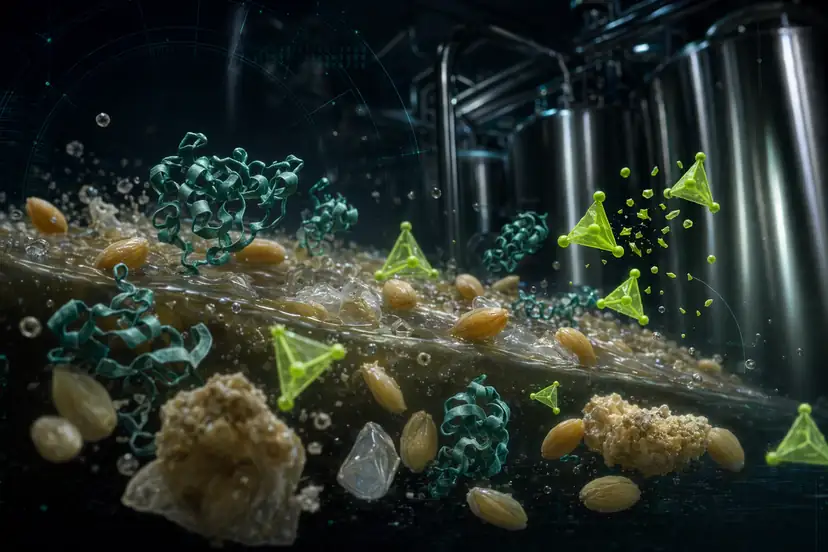
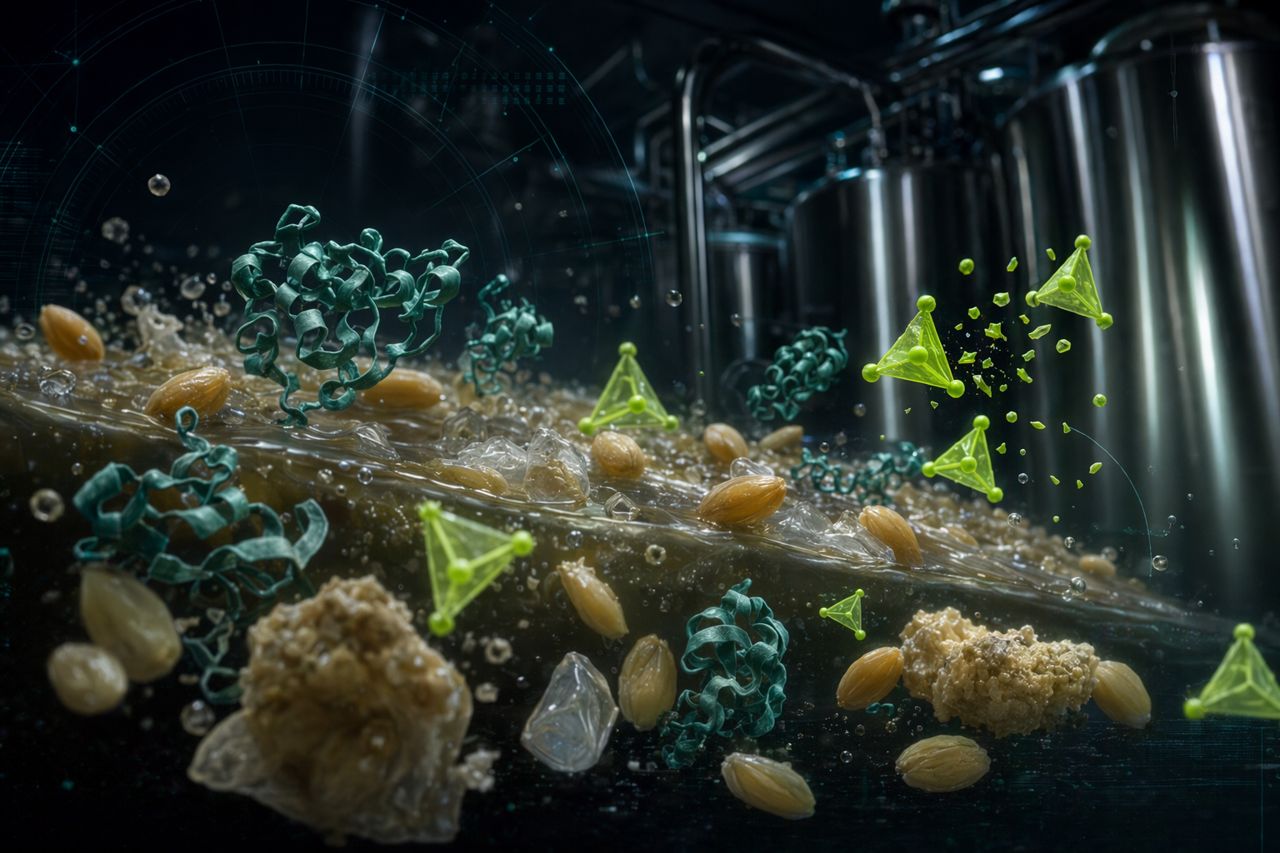
Phosphatase enzymes catalyze the removal of phosphate groups from organic molecules. In food and beverage systems, that simple chemical action can influence mineral availability, plant-protein functionality, fermentation behavior, analytical workflows, and process consistency.
For buyers and technical teams, the important question is not whether a phosphatase is “strong.” It is whether the enzyme is matched to the substrate, process conditions, ingredient matrix, regulatory expectations, and commercial target.
This guide explains where phosphatases fit in food and beverage processing, what to evaluate before scale-up, and how to brief a supplier for a practical quotation.
What phosphatase enzymes do
Phosphatases hydrolyze phosphate ester bonds. In practical terms, they remove phosphate groups from compounds such as:
Phosphorylated proteins and peptides
Phytic acid and related phytate complexes
Sugar phosphates and nucleotide derivatives
Process intermediates used in fermentation or diagnostics-adjacent workflows
Naturally occurring phosphate-containing compounds in cereals, legumes, seeds, dairy, fruit, and microbial systems
The outcome depends on the enzyme class, the substrate, and the processing environment. A phosphatase may help release bound minerals, alter protein charge behavior, reduce anti-nutritional effects, support fermentation performance, or provide a controlled biochemical step in an analytical or ingredient process.
Where phosphatases are used in food and beverage work
1. Cereal, grain, and legume processing
Many grains, pulses, and seeds contain phytic acid, a phosphate-rich molecule that binds minerals and can affect nutrition, texture, and downstream processing. Phosphatase-type enzymes with phytate-targeting specificity can help hydrolyze these phosphate groups under suitable moisture, pH, and temperature conditions.
Typical development goals include:
Improving mineral bioavailability in cereal- or pulse-based foods
Supporting cleaner flavor in plant-forward formulations
Reducing processing variability in flour, bran, seed, or legume streams
Enhancing fermentation compatibility in doughs, batters, and plant bases
The required enzyme profile depends heavily on the raw material. Wheat bran, oat fractions, pea protein, chickpea flour, rice materials, and oilseed meals do not behave identically.
2. Plant-based dairy and protein systems
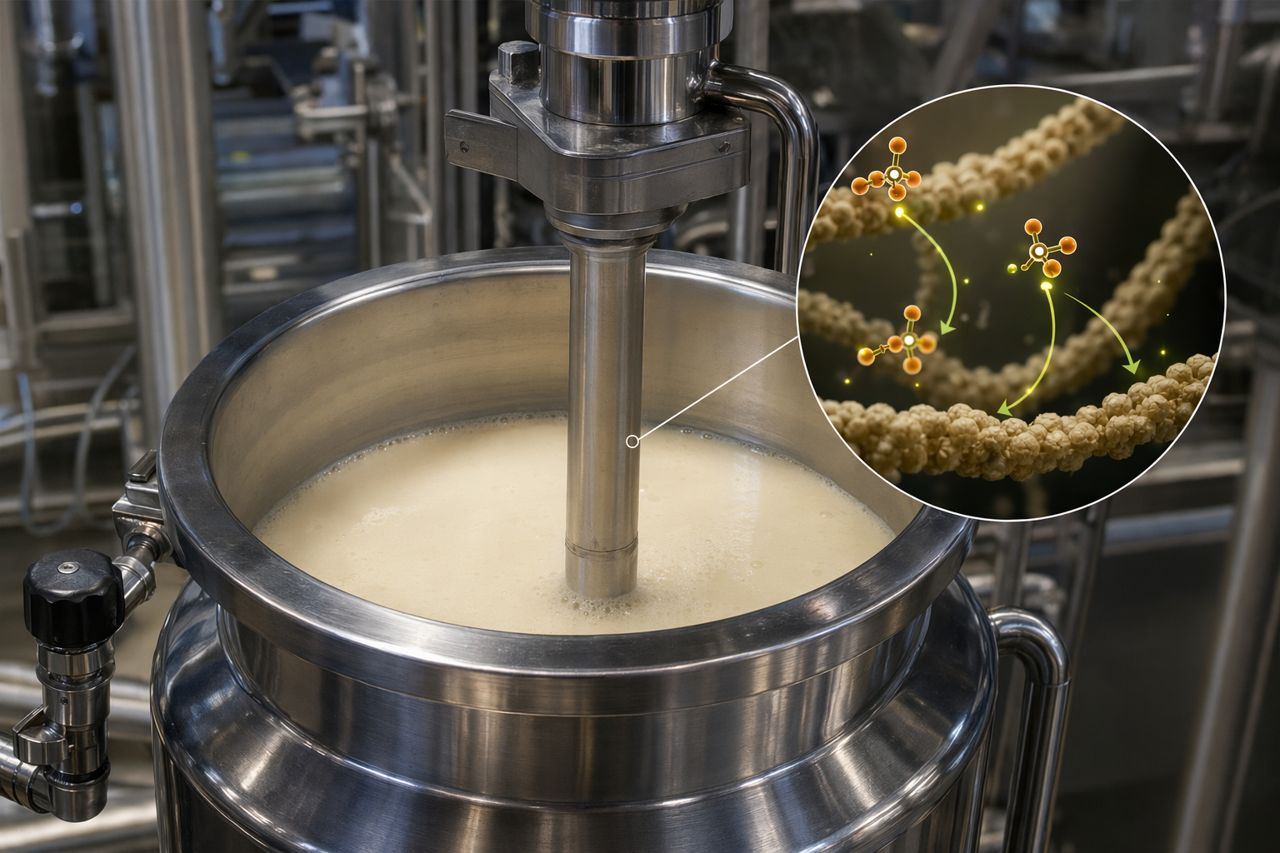
Plant proteins often carry mineral complexes and charge interactions that influence solubility, viscosity, heat stability, and mouthfeel. Controlled dephosphorylation can be explored as one tool in a broader formulation strategy.
Phosphatases may be evaluated alongside proteases, carbohydrases, emulsifiers, stabilizers, heat treatment, and homogenization. The objective is usually not complete conversion. It is a defined shift in functionality without damaging flavor, color, or nutritional positioning.
Relevant applications include:
Plant-based beverages
Protein concentrates and isolates
Fermented plant bases
Nutrition powders
Hybrid dairy-plant systems
3. Brewing, distilling, and fermentation support
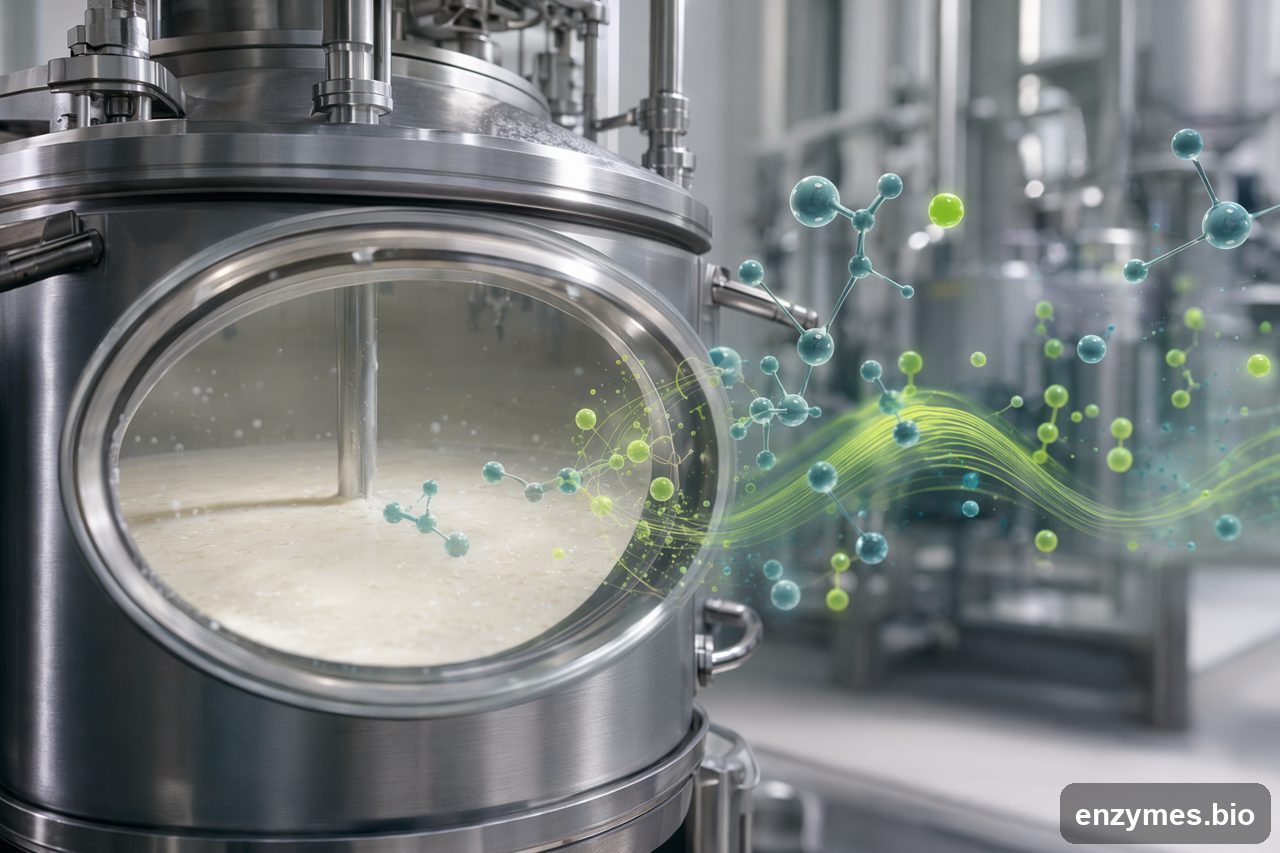
Fermentation systems depend on available nutrients, stable pH behavior, predictable yeast or microbial performance, and manageable raw-material variability. Phosphate-containing substrates can influence nutrient release and process behavior.
In brewing, grain fermentation, and certain specialty beverage workflows, phosphatase selection may be considered when a process requires:
Improved availability of bound nutrients
Better control of cereal-derived phosphate complexes
Support for microbial metabolism in defined fermentation windows
Reduced batch-to-batch variability from agricultural inputs
A phosphatase should be evaluated in the complete process, not only in a beaker. Malt quality, adjunct composition, mash profile, solids level, and downstream clarification can all change the result.
4. Dairy processing and quality interpretation
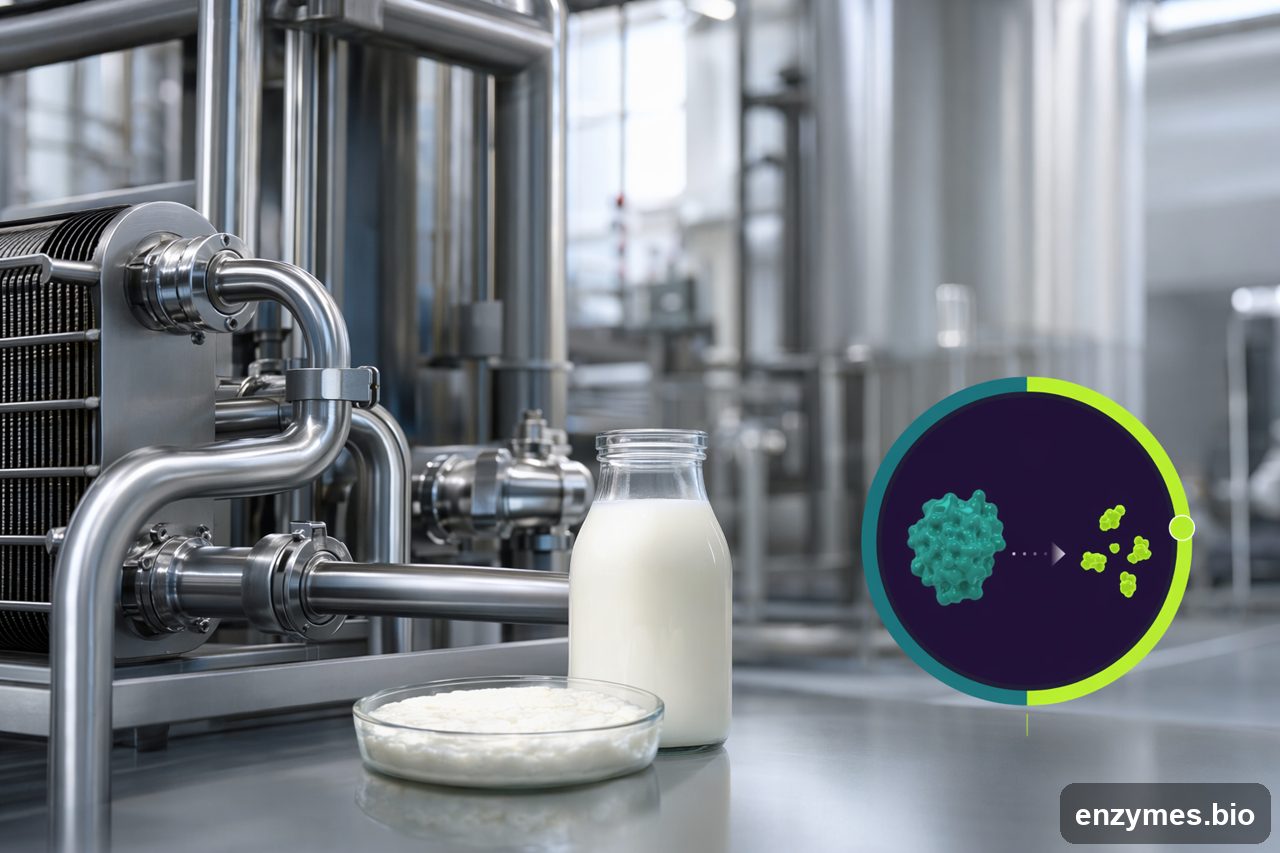
Alkaline phosphatase is widely recognized in dairy quality systems as a naturally occurring milk enzyme used as an indicator of pasteurization effectiveness. In that context, phosphatase is commonly discussed as an analytical marker rather than as an added processing aid.
For food teams, this distinction matters. A phosphatase used as a process enzyme, a naturally present enzyme, and a quality indicator may all appear in technical discussions, but they serve different purposes and are governed by different validation requirements.
When discussing dairy-related projects, define the role clearly:
Ingredient modification
Quality marker interpretation
Process validation support
Research or diagnostic workflow use
5. Juice, wine, and beverage ingredient systems
Fruit, botanical, and fermented beverage matrices can contain phosphate-linked compounds that interact with clarity, nutrition, fermentation, or analytical behavior. Phosphatases may be considered in specialized beverage processing, especially where substrate mapping shows a clear phosphate-linked bottleneck.
For commercial use, teams should evaluate:
Beverage pH and natural acidity
Sensory sensitivity to process changes
Compatibility with clarification, filtration, or stabilization steps
Any effect on haze, sediment, or mineral balance
Labeling and processing-aid expectations by market
What affects phosphatase performance
Phosphatase selection is a matrix decision. The same enzyme can perform well in one formulation and poorly in another.
Key variables include:
Substrate specificity: The enzyme must act on the relevant phosphate-containing compound, not just demonstrate broad phosphatase behavior.
pH window: Acidic beverages, neutral plant bases, cereal mashes, and dairy systems require different enzyme profiles.
Thermal profile: Processing temperature affects reaction speed, stability, and inactivation strategy.
Water availability: High-solids doughs, slurries, concentrates, and dry blends limit enzyme mobility differently.
Minerals and salts: Calcium, magnesium, sodium, phosphate load, and chelating components can influence performance.
Competing enzymes: Proteases, amylases, cellulases, beta-glucanases, and lipases may change substrate access or final product attributes.
Residence time: A practical enzyme must fit the plant’s process window, not require a separate impractical hold step.
Downstream controls: Heat treatment, filtration, centrifugation, pH shift, or drying may be needed to stop or stabilize the process.
Selection criteria for food and beverage buyers
When sourcing phosphatase enzymes, focus on the commercial fit rather than generic specification language.
Technical fit
Ask for evidence that the enzyme is relevant to your matrix:
Grain, pulse, seed, dairy, beverage, or fermentation system
Expected pH and temperature range
Processing time and solids level
Desired substrate change or product attribute
Compatibility with other enzymes or ingredients
Regulatory and documentation fit
Food and beverage applications require documentation that matches the intended geography and finished-product claim structure. Depending on the use case, buyers may need:
Food-grade manufacturing statement
Allergen and dietary status information
GMO or non-GMO position statement
Residual solvent and contaminant controls where applicable
Heavy metal and microbiological quality documentation
Country-specific regulatory support
Processing-aid or ingredient-positioning guidance
Do not treat documentation as an afterthought. It can determine whether a technically successful enzyme is commercially usable.
Format and handling fit
Phosphatases may be supplied in liquid, powder, granulated, or immobilized formats depending on the application. Selection should consider:
Dust control and worker handling
Dispersion in the target matrix
Storage temperature and shelf-life requirements
Compatibility with automated dosing
Carryover risk in multi-product facilities
Clean-in-place expectations
Packaging size and production cadence
Process development approach
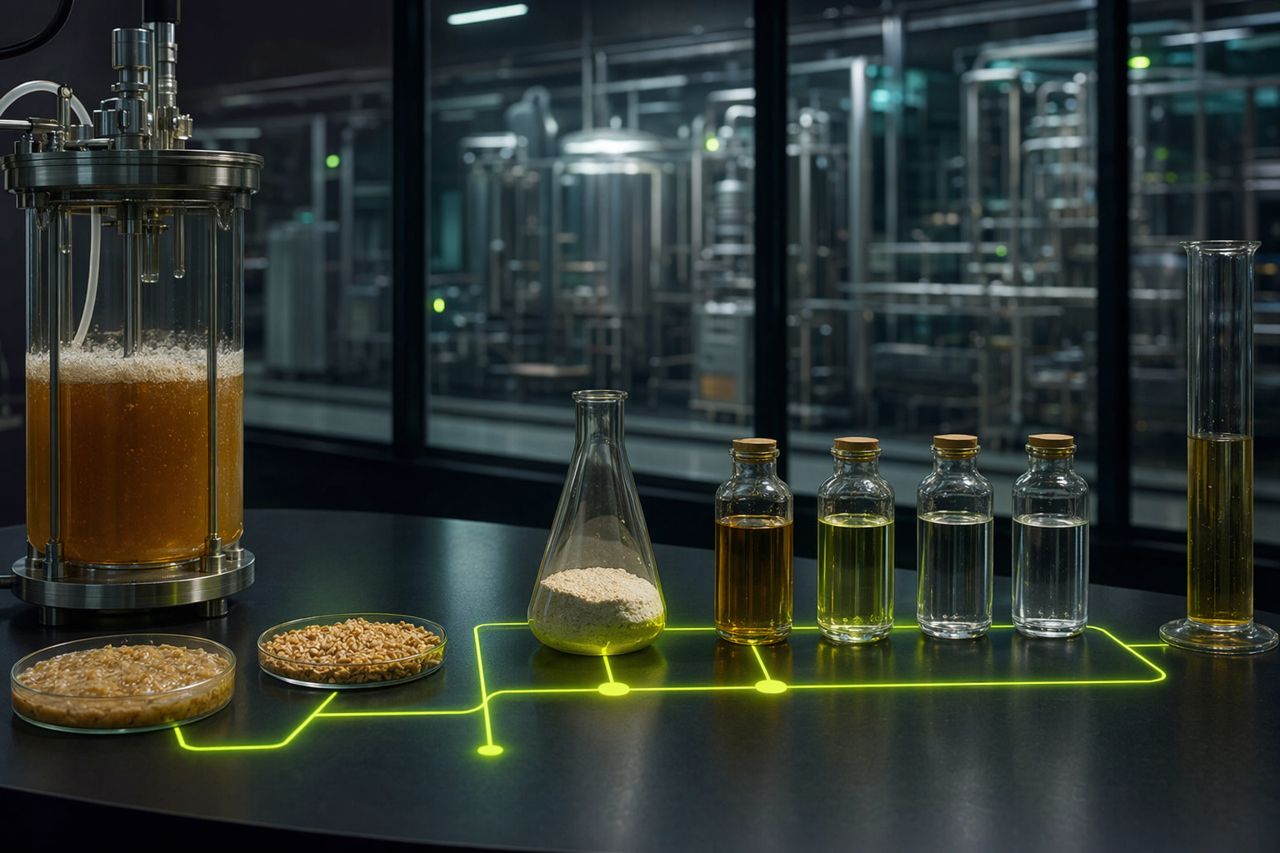
A disciplined phosphatase evaluation usually follows five stages.
1. Define the substrate problem
Start with the material and the constraint. Are you trying to reduce phytate, change protein functionality, release nutrients, support fermentation, or build a controlled analytical step? The answer determines which phosphatase profile is relevant.
2. Establish the operating window
Map the actual process conditions before screening enzymes. Include pH, temperature, moisture, solids, salts, residence time, shear, and any thermal kill step.
3. Screen for measurable product outcomes
Evaluate outcomes that matter commercially:
Mineral release or binding reduction
Viscosity shift
Solubility change
Fermentation rate or completeness
Flavor impact
Clarity or sediment behavior
Heat stability
Finished-product consistency
4. Check sensory and label constraints
A biochemical improvement is not useful if it creates off-notes, color changes, haze, sediment, or label complications. Sensory and regulatory review should occur before pilot scale, not after.
5. Confirm scale-up behavior
Mixing, heat transfer, hold-time distribution, solids suspension, and dosing accuracy can all change enzyme performance. Pilot trials should mimic the manufacturing plant as closely as possible.
Common buyer mistakes to avoid
Selecting a phosphatase based only on a generic enzyme name
Ignoring whether the substrate is actually accessible in the food matrix
Screening at laboratory conditions that do not match plant operation
Overlooking pH drift during fermentation or heat treatment
Assuming complete dephosphorylation is necessary or desirable
Treating dairy phosphatase marker discussions as equivalent to added-enzyme processing
Evaluating conversion without sensory, stability, and labeling review
Leaving documentation requirements until procurement approval
Application pathways
Phosveil supports phosphatase sourcing discussions across several food and beverage development routes:
If your application sits between categories, describe the substrate, process window, and intended outcome. Phosphatase selection is often more efficient when the technical brief is specific.
What to include in a phosphatase quote request
To receive a relevant recommendation, include as much of the following as possible:
Target food or beverage category
Raw material or substrate source
Desired technical outcome
Process pH and temperature range
Approximate residence time
Solids level or moisture condition
Other enzymes or functional ingredients in use
Thermal, filtration, or drying steps after treatment
Required documentation and destination market
Preferred format and packaging expectations
Estimated development, pilot, or commercial volume
Request pricing or technical fit review
Use the form below to route your phosphatase request to the Phosveil team. A technical brief helps us respond with the right enzyme format, documentation path, and commercial quotation.
Phosphatase work is most successful when chemistry, process engineering, and documentation are aligned early. Phosveil helps buyers move from broad enzyme interest to a defined, production-aware specification.