Phosphatase for Specialty Chemical Biocatalysis | Phosveil
Technical phosphatase enzyme solutions for enzymatic phosphate ester hydrolysis, dephosphorylation, intermediate conversion, and specialty chemical process development.
Specialty chemical teams use phosphatase enzymes when phosphate removal must be selective, aqueous-compatible, and controllable. Phosveil supports phosphate ester hydrolysis and dephosphorylation workflows for fine chemical intermediates, functional ingredients, diagnostic precursors, polymer-adjacent chemistry, and industrial biotech process streams.
The objective is not simply to “remove phosphate.” It is to do so with the right substrate fit, process tolerance, downstream profile, and documentation package for a manufacturing or scale-up environment.
Where phosphatase fits in specialty chemical workflows
Phosphatase enzymes catalyze the hydrolysis of phosphate monoesters and related phosphorylated substrates, converting protected or phosphorylated intermediates into target alcohol, phenolic, carbohydrate, nucleotide, peptide, or small-molecule forms depending on the chemistry.
Common B2B use cases include:
Dephosphorylation of specialty intermediates before isolation, coupling, formulation, or downstream derivatization
Selective phosphate ester hydrolysis where harsh mineral acid, base, or high-temperature processing would compromise sensitive functionality
Biocatalytic polishing steps to reduce phosphorylated residuals in process streams
Controlled conversion of phosphorylated biomolecules for diagnostics, life science reagents, and analytical workflows
Process simplification where enzymatic conversion can reduce neutralization load, salt formation, or side-reaction management
Aqueous or mixed-aqueous conversion systems for substrates that require milder handling than conventional chemical hydrolysis
Why formulation and process teams evaluate phosphatase
Phosphatase is most valuable when selectivity and process control matter more than brute-force conversion.
Practical advantages
Functional-group restraint: supports phosphate ester cleavage while preserving sensitive molecular features when substrate compatibility is appropriate
Milder process profile: useful for heat-sensitive, pH-sensitive, or side-reaction-prone intermediates
Cleaner impurity strategy: may reduce unwanted degradation pathways associated with aggressive hydrolysis conditions
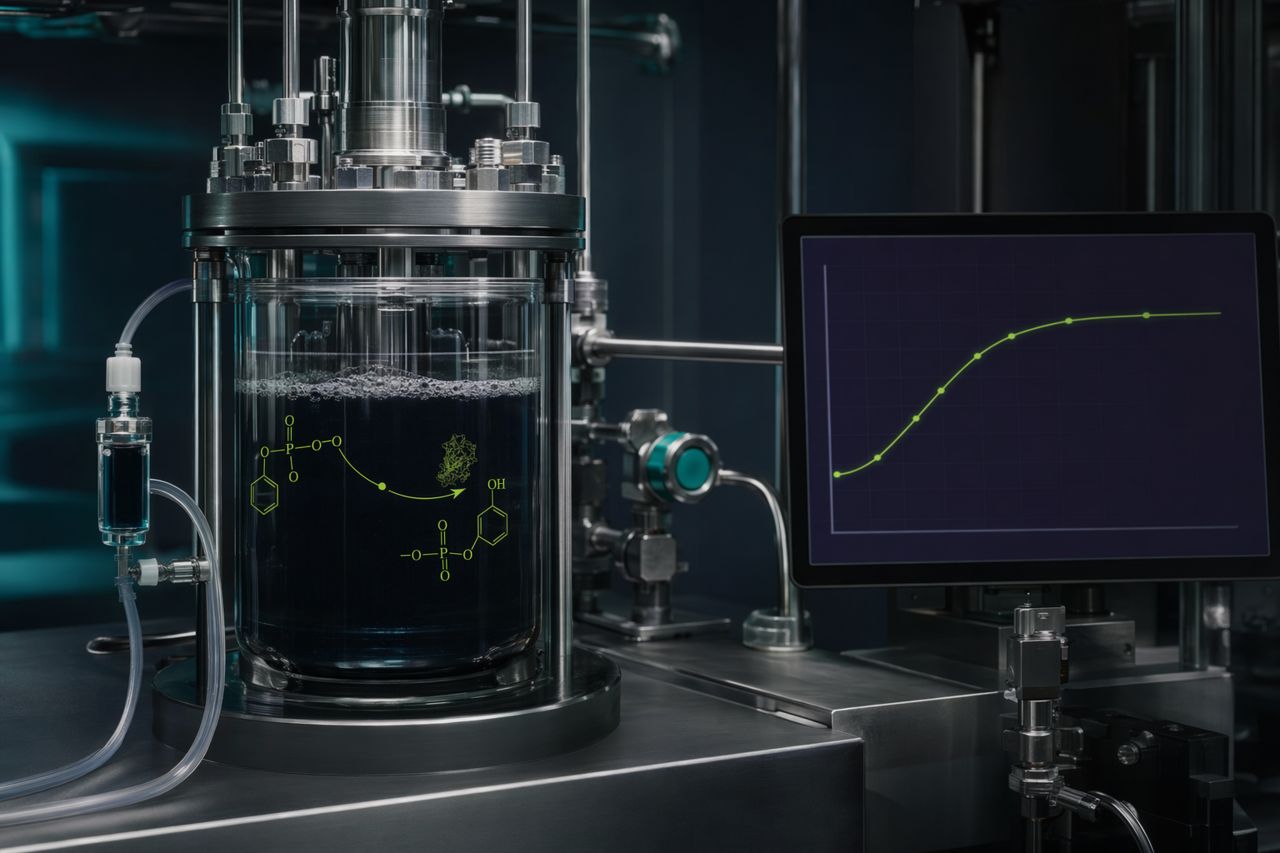
Scalable operating logic: compatible with stirred-tank, batch, fed-batch, and immobilized-enzyme evaluation concepts
Downstream-aware development: enzyme format, salt contribution, solids profile, and separation strategy can be considered early
Application segments
Fine chemical and intermediate conversion
For fine chemical manufacturers, phosphatase can act as a selective transformation tool in routes where phosphorylated intermediates are convenient upstream but undesirable in the final molecule. Typical evaluations focus on substrate conversion, impurity formation, enzyme removal, and integration with existing isolation steps.
Industrial biotech and fermentation-adjacent streams
In bioprocess settings, phosphatase may be used to adjust phosphorylated metabolites, refine intermediate pools, or support conversion of bio-derived phosphorylated compounds. Process fit depends on matrix composition, inhibitors, salts, surfactants, and downstream recovery requirements.
Diagnostics and reagent manufacturing
Diagnostics teams may require dephosphorylation of nucleotides, proteins, peptides, sugars, phenolics, or chromogenic/fluorogenic intermediates under controlled conditions. In these applications, lot documentation, contaminant profile, and consistency are often as important as conversion performance.
Specialty ingredients and functional materials
Food technology, personal care, agriculture, and materials-adjacent teams may evaluate phosphatase for selective modification of phosphorylated ingredients or intermediates. Phosveil supports early-stage compatibility screening through technical discussion rather than one-size-fits-all claims.
Development questions we help answer
A successful phosphatase project depends on matching enzyme behavior to the real process, not the ideal drawing on the route scheme.
Key questions include:
What is the phosphate ester class and substrate solubility profile?
Is the target molecule sensitive to acid, base, heat, oxidation, or prolonged hold time?
Does the process stream contain salts, chelators, solvents, detergents, preservatives, metals, or inhibitors?
Is conversion required before or after purification?
Will the enzyme be used once, recovered, immobilized, or integrated into a continuous concept?
What residual enzyme, protein, ash, moisture, or bioburden expectations apply?
Which documentation is needed for procurement, QA, regulatory review, or customer qualification?
Phosveil supply formats
Phosveil can discuss phosphatase supply options aligned with development and commercial planning, including:
Liquid enzyme preparations for process trials and direct dosing concepts
Powder or granulated forms where storage, shipping, or formulation handling is prioritized
Low-bioburden or documentation-forward options for regulated adjacent applications
Carrier and excipient considerations for downstream compatibility
Custom concentration, stabilization, and packaging discussions for qualified B2B programs
Final format depends on substrate class, process medium, compliance expectations, and commercial volume planning.
Process integration considerations
Substrate and matrix compatibility
Phosphatase performance is influenced by the complete reaction environment. Solvent fraction, ionic strength, buffering system, metal content, surfactants, preservatives, and upstream impurities can change observed conversion. Phosveil encourages matrix-representative testing as early as possible.
Downstream separation
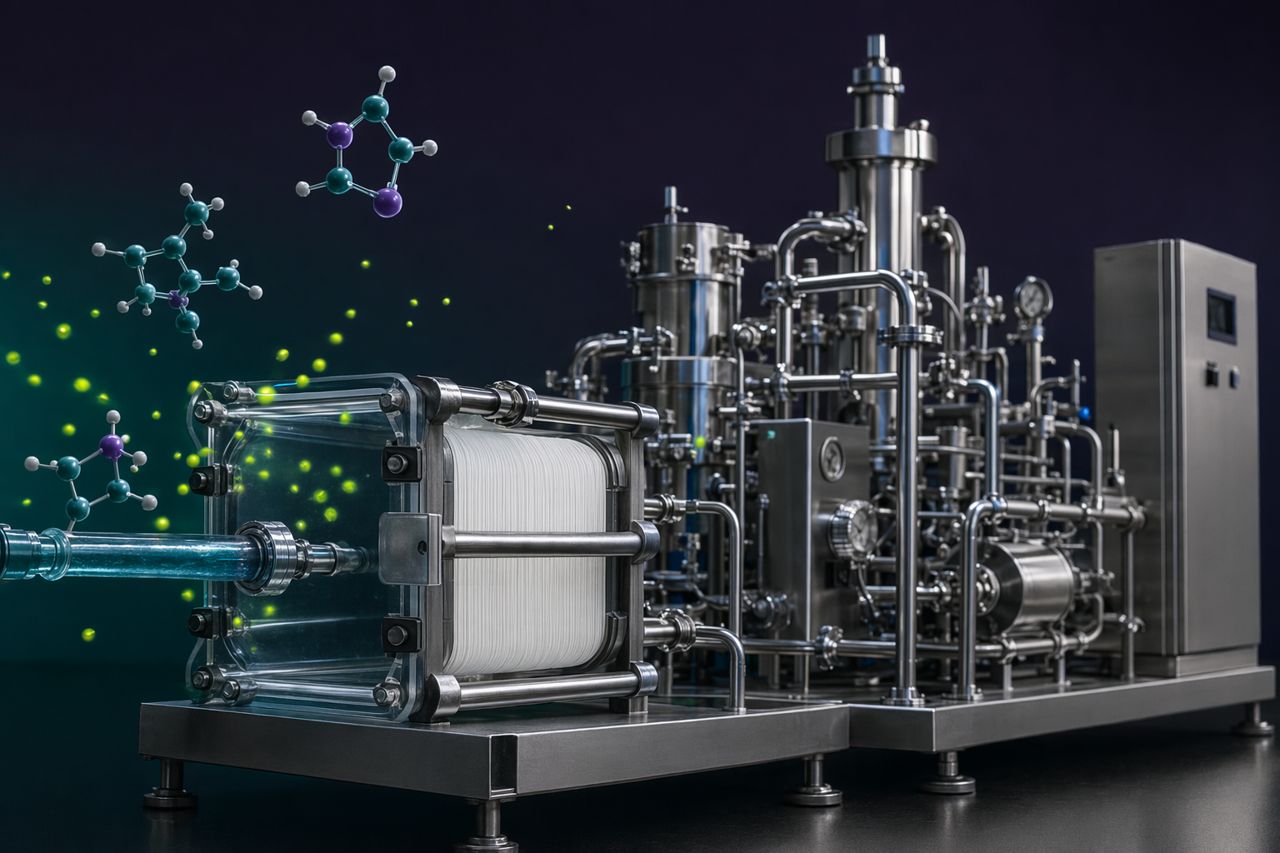
Process engineers should evaluate how enzyme protein, carrier materials, salts, and liberated phosphate will be managed. Depending on the workflow, this may involve filtration, membrane separation, precipitation, chromatography, extraction, thermal hold, or integration into an existing purification step.
Route economics
The economics of phosphatase biocatalysis are not defined by enzyme cost alone. Relevant factors include reduced side products, lower rework, gentler equipment requirements, fewer neutralization steps, improved yield protection, and simplified impurity control.
Scale-up behavior
Mixing, addition strategy, substrate feed, temperature control, hold time, and in-process sampling plans should be translated from bench to pilot with care. Phosveil can support technical dialogue around scale-up risk without exposing proprietary activity methods.
What to share for a technical recommendation
To assess fit, send as much of the following as is practical under your confidentiality requirements:
Substrate identity or representative structure
Phosphate ester type and target transformation
Process medium and approximate composition
Current chemical hydrolysis method, if any
Desired conversion endpoint and impurity concerns
Batch size outlook and development stage
Required documentation, quality attributes, and region of use
Preferred enzyme format and packaging constraints
We can work from a partial brief and refine the recommendation as more process information becomes available.
Request pricing or a technical quote
Use the form below to request pricing, availability, documentation, or a fit assessment for phosphatase in a specialty chemical workflow.
Technical positioning
Phosveil is built for teams that need enzyme decisions to be specific. For specialty chemical biocatalysis, that means understanding the molecule, the matrix, the endpoint, and the downstream path before making claims. If phosphate removal is part of your route, we can help determine whether phosphatase belongs in the process window.