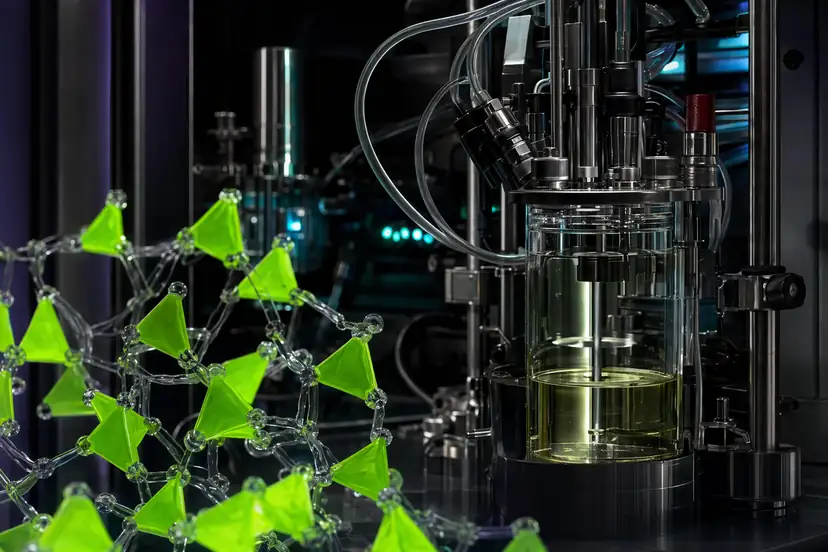
application
Phosphatase for Research, Scale-Up, and Pilot Production
Technical guidance for teams evaluating phosphatase enzymes in bench research, scale-up studies, and pilot enzyme-assisted production trials.
Request pricing Technical guidance for teams evaluating phosphatase enzymes in bench research, scale-up studies, and pilot enzyme-assisted production trials.
Request pricingPhosphatase Enzymes support controlled dephosphorylation across research programs, formulation studies, diagnostics development, bioprocess optimization, and pilot-scale production trials. For teams moving beyond proof-of-concept, the question is not only whether a phosphate group can be removed. It is whether the reaction can be made selective, repeatable, compatible with the matrix, and practical at the next scale.
Phosveil is built for that transition: from early substrate screening to controlled process trials where enzyme choice, reaction window, impurity profile, and downstream fit all matter.
Phosphatases catalyze the hydrolysis of phosphate ester bonds. In applied settings, that capability may be used to alter substrate functionality, prepare intermediates, modulate analytical targets, reduce phosphate-linked interference, or support enzyme-assisted conversion steps.
Common B2B development contexts include:
Bench success can be misleading if the enzyme only works under narrow, fragile conditions. Scale-up and pilot production introduce different constraints: mixing, hold time, matrix load, temperature exposure, process water variability, cleaning requirements, and downstream separation.
When evaluating phosphatase for larger trials, teams typically need to confirm:
Phosveil focuses on these industrial questions early, so teams can make informed decisions before committing pilot equipment, plant time, or customer-facing development milestones.

For discovery and early process exploration, phosphatase may be used to compare substrates, map reaction behavior, or prepare dephosphorylated materials for further characterization. At this stage, the priority is clean experimental logic: defined variables, credible controls, and enough technical information to decide whether the pathway is worth scaling.
Phosveil supports research teams with practical product guidance around enzyme form, handling, compatibility, and trial design considerations.
During scale-up, enzyme performance must be translated from small controlled tests into larger stirred systems. Reaction kinetics can shift when mixing, heat transfer, substrate presentation, and matrix composition change. A phosphatase that performs well in a tube or flask may need adjusted addition strategy, pre-dilution, staged contact, or revised hold conditions in larger vessels.
Key scale-up questions include:
Pilot production is where technical promise meets operational reality. At this stage, teams need reliable supply, clear handling instructions, realistic lead times, and documentation that helps engineering, quality, and procurement align.
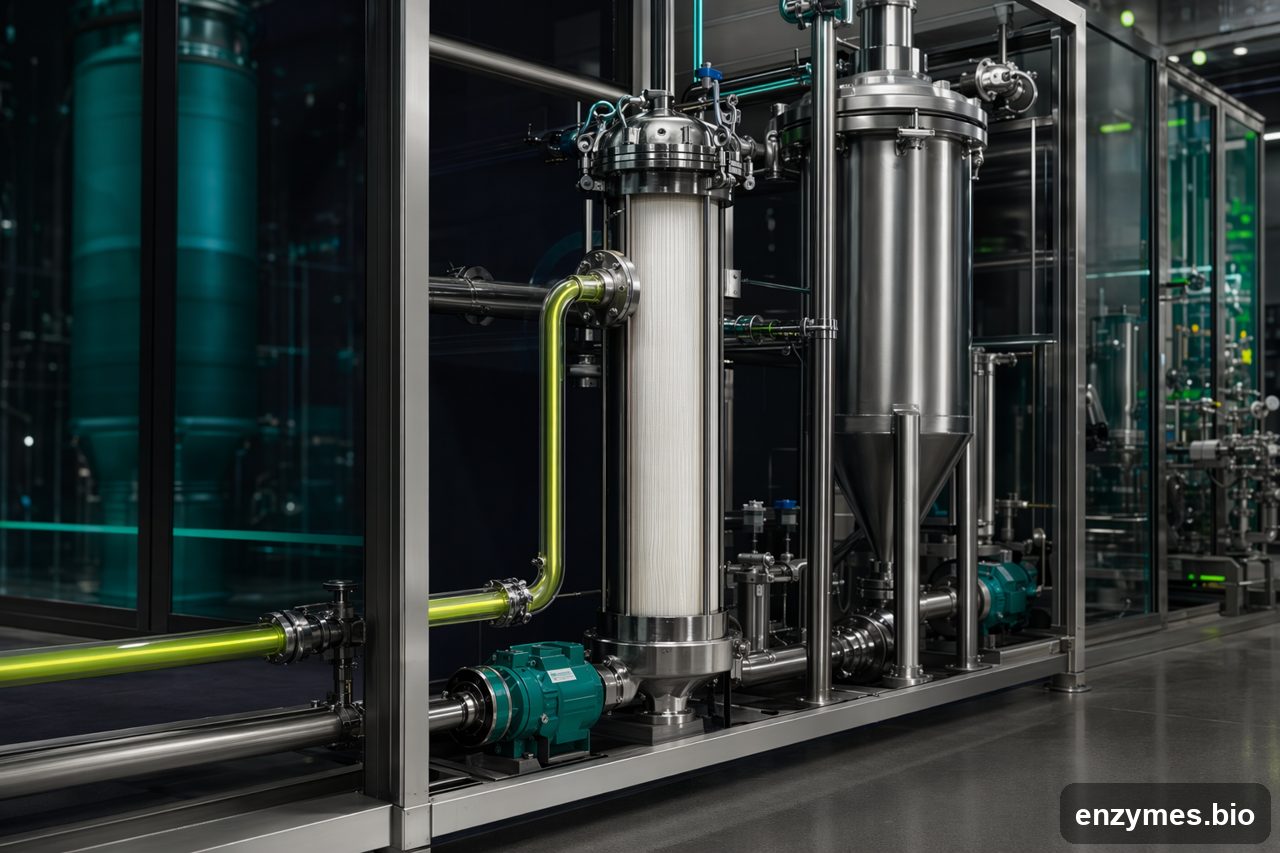
Phosveil phosphatase options can be evaluated for pilot programs where the target is not a generic laboratory demonstration, but a controlled enzyme-assisted step that can be reviewed, repeated, and improved.
Phosphatases vary in substrate preference and operating behavior. Selection should begin with the actual process substrate or a close representative material, not only a model compound. If the matrix contains proteins, carbohydrates, nucleotides, small molecules, minerals, or complex extractives, the enzyme should be assessed under realistic conditions.
The right phosphatase should match the intended pH, temperature, hold time, and matrix composition. For production-oriented programs, it is usually better to define a robust operating range than to chase a narrow optimum that cannot survive scale-up variation.
Depending on the application, buyers may need liquid formats, dry formats, stabilizer compatibility, controlled storage expectations, or packaging suitable for repeated technical trials. Phosveil can help align format selection with laboratory workflows, pilot scheduling, and internal handling requirements.
Dephosphorylation can change solubility, charge, binding behavior, or precipitation tendency. That is useful when intended, but disruptive when unplanned. Pilot evaluation should include downstream impact: clarification, filtration, concentration, chromatography, drying, blending, or final formulation stability.
Phosveil works with teams that need more than a catalog line item. Typical support discussions include:
We keep the discussion practical: what the enzyme must do, what conditions it must tolerate, and what information is needed before the next trial.
If you are evaluating phosphatase for research, scale-up, or pilot production, send the process context and target use case. A technical contact can review fit, availability, documentation needs, and pricing.
Suggested details to include in the contact form:

Tell us your application and volume — we reply with pricing and lead time.